Review by Koko Jr
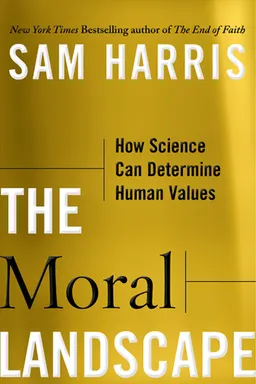
Jan 16, 2018One can easily misunderstand the topic of this very interesting book. I suspect even the author misunderstood it to some degree. There is no place in the book where Harris makes a convincing argument about total replacement of religion and traditional ethics by science (esp. here and now). There are however numerous good arguments on how science can help us improve our lives (which I can't see as controversial at all), our understanding of morals and psychology of the choices we make (ditto) and even a lot of good points about difficulties that the proposed science of morality would face.
One problem with this book is that while it claims to be dealing with morals it actually concentrates on the problem of maximising human well-being which I'd argue are similar yet different things. As far as I understand the term, 'morals' come into play when there is a conflict between well-being of different agents be it a person vs society, group vs group, or even person now vs person later. Harris correctly identifies these as problems our current science has little to offer for but somehow choses to ignore that.
Trying to read this book in a benevolent way I'd say that it makes a compelling argument against both radical moral relativism (by presenting extremely low hanging fruits of barbarism as examples) and religious obscurantism in favour of more evidence based and rational thinking in designing human relations. The passages describing various experimental results and recounting other authors' theories are super interesting. It gets bad however when Harris tries to use them to make his point. E.g. when he refers to findings that our political and religious inclinations are strongly correlated to the levels of neurotransmitters governing our risk tolerance/aversion, which makes people choose differently in face of uncertainty he very casually dismisses it by saying that 'we can surely point to risky behaviours that are objectively wrong so there's no real dilemma'. Thanks Sam, problem solved indeed and so it goes in almost each case.
To recap: Sam Harris points in a promising direction of thinking about human morals but runs far ahead of the evidence he can present at the moment.
One can easily misunderstand the topic of this very interesting book. I suspect even the author misunderstood it to some degree. There is no place in the book where Harris makes a convincing argument about total replacement of religion and traditional ethics by science (esp. here and now). There are however numerous good arguments on how science can help us improve our lives (which I can't see as controversial at all), our understanding of morals and psychology of the choices we make (ditto) and even a lot of good points about difficulties that the proposed science of morality would face.
One problem with this book is that while it claims to be dealing with morals it actually concentrates on the problem of maximising human well-being which I'd argue are similar yet different things. As far as I understand the term, 'morals' come into play when there is a conflict between well-being of different agents be it a person vs society, group vs group, or even person now vs person later. Harris correctly identifies these as problems our current science has little to offer for but somehow choses to ignore that.
Trying to read this book in a benevolent way I'd say that it makes a compelling argument against both radical moral relativism (by presenting extremely low hanging fruits of barbarism as examples) and religious obscurantism in favour of more evidence based and rational thinking in designing human relations. The passages describing various experimental results and recounting other authors' theories are super interesting. It gets bad however when Harris tries to use them to make his point. E.g. when he refers to findings that our political and religious inclinations are strongly correlated to the levels of neurotransmitters governing our risk tolerance/aversion, which makes people choose differently in face of uncertainty he very casually dismisses it by saying that 'we can surely point to risky behaviours that are objectively wrong so there's no real dilemma'. Thanks Sam, problem solved indeed and so it goes in almost each case.
To recap: Sam Harris points in a promising direction of thinking about human morals but runs far ahead of the evidence he can present at the moment.