Review by Scribe After Five
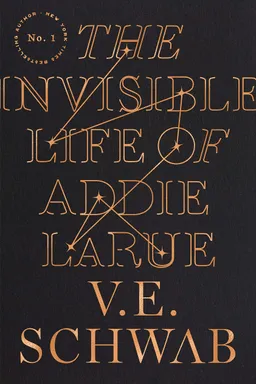
Oct 30This book had been sitting quietly in my cart for a while, whispering to me now and then. So when my favorite online bookstore had the hardcover special edition on sale for $14.99, I took it as fate. I try not to let online reviews sway me — books, like all art, live in the realm of personal perception. One opinion isn’t better or worse than another.
That said, even with the hype surrounding Addie LaRue, I went in with an open mind and cleared expectations. From the first few chapters, I was immediately drawn in by the prose — it’s beautiful, poetic, almost lyrical. That alone was enough to keep me turning pages.
However, I did notice inconsistencies in the writing. I tried to rationalize it — perhaps the changing time periods justified the tonal shifts? Maybe the sections set in the 2000s were meant to sound more modern. But even chapters from the 1700s and 1800s didn’t maintain that same lyrical quality that the beginning had promised. It almost felt as if Schwab got swept up in the story and drifted away from the initial tone.
Because of this, some scenes didn’t match the emotional gravity of what was happening. The book started off strong, but I didn’t feel an emotional pull until around the 300-page mark — and this book has over 400 pages. The uneven pacing and shifting style created a bit of a domino effect: I lost interest midway through and only found my footing again toward the end.
By that point, I was torn between finishing it just to finish it or actually investing back into the story. The reader in me, persistent as ever, won that battle — and I’m glad I did.
The characters were compelling enough to build the story around, but if someone asked me about them a few years from now, I’m not sure I’d remember most of their names.
Except Luc.
Maybe it’s because I’ve read my fair share of dark romance, or maybe I’m just a lifelong fan of morally gray characters, but Luc kept me from DNFing this book. He was magnetic — cunning, alluring, and dangerously human beneath the veneer of divinity. I found him infinitely more interesting than Addie herself. Honestly, I’d read a whole book about him.
Henry, on the other hand, felt flat. It’s mentioned that he was placed in Addie’s life as a kind of buffer, and that’s exactly what he was — a brief interlude in her immortal timeline. Despite his supposed importance, his presence felt temporary, like a placeholder rather than a fully realized character.
Luc, though — he’s the devil, literally, but also the only one who felt truly alive. There’s something intoxicating about his nature, that push and pull of danger and charm. Addie calls him out for being lonely, and though he denies it, there are moments when the mask slips. He may express his affection in possessive, toxic ways, but his flaws feel believable — painfully human, even.
Their relationship, spanning 300 years, was the pulse of the story for me. I found myself wishing Henry didn’t exist at all, that it could’ve just been Luc and Addie, locked in their eternal dance of defiance and desire. Did either of them truly grow by the end? Hard to say, given the open ending. But Addie certainly learned to play her cards better, Luc softened in subtle ways, and Henry — well, he changed, though he still revolved around her shadow.
The story’s twist landed softly — a bit anticlimactic, though perhaps intentionally so. I guessed Henry’s fate the moment he said he didn’t like sitting still and wanted to show Addie something new. It became obvious he’d made a deal with Luc and was living on borrowed time.
Still, the placement of his reveal near the end worked. For readers who liked Henry, it gave them one last moment with him. The only real surprise for me was the open ending. I wanted more — a definitive close, something that wouldn’t leave me wondering.
Did Addie ever outsmart Luc?
Did he and Henry ever cross paths again?
Instead, it ends with Henry alive, publishing Addie’s story — which is bittersweet, but not entirely satisfying. It’s a neat ending, but not a complete one.
While I understand why The Invisible Life of Addie LaRue resonates so deeply with many readers, it didn’t leave a lasting mark on me — at least not this time. The prose had moments of brilliance, the themes of memory and immortality are inherently beautiful, but the emotional connection came too late for me to be truly moved.
Perhaps it’s just timing — I read this right after Alchemised by SenLin Yu, which probably set an unfair emotional bar. Maybe one day, I’ll revisit Addie and Luc and feel differently.
For now, though, this is where I stand: intrigued but unmoved, admiring but not in love.
Song choice: You Don't Own Me by Leslie Gore
This book had been sitting quietly in my cart for a while, whispering to me now and then. So when my favorite online bookstore had the hardcover special edition on sale for $14.99, I took it as fate. I try not to let online reviews sway me — books, like all art, live in the realm of personal perception. One opinion isn’t better or worse than another.
That said, even with the hype surrounding Addie LaRue, I went in with an open mind and cleared expectations. From the first few chapters, I was immediately drawn in by the prose — it’s beautiful, poetic, almost lyrical. That alone was enough to keep me turning pages.
However, I did notice inconsistencies in the writing. I tried to rationalize it — perhaps the changing time periods justified the tonal shifts? Maybe the sections set in the 2000s were meant to sound more modern. But even chapters from the 1700s and 1800s didn’t maintain that same lyrical quality that the beginning had promised. It almost felt as if Schwab got swept up in the story and drifted away from the initial tone.
Because of this, some scenes didn’t match the emotional gravity of what was happening. The book started off strong, but I didn’t feel an emotional pull until around the 300-page mark — and this book has over 400 pages. The uneven pacing and shifting style created a bit of a domino effect: I lost interest midway through and only found my footing again toward the end.
By that point, I was torn between finishing it just to finish it or actually investing back into the story. The reader in me, persistent as ever, won that battle — and I’m glad I did.
The characters were compelling enough to build the story around, but if someone asked me about them a few years from now, I’m not sure I’d remember most of their names.
Except Luc.
Maybe it’s because I’ve read my fair share of dark romance, or maybe I’m just a lifelong fan of morally gray characters, but Luc kept me from DNFing this book. He was magnetic — cunning, alluring, and dangerously human beneath the veneer of divinity. I found him infinitely more interesting than Addie herself. Honestly, I’d read a whole book about him.
Henry, on the other hand, felt flat. It’s mentioned that he was placed in Addie’s life as a kind of buffer, and that’s exactly what he was — a brief interlude in her immortal timeline. Despite his supposed importance, his presence felt temporary, like a placeholder rather than a fully realized character.
Luc, though — he’s the devil, literally, but also the only one who felt truly alive. There’s something intoxicating about his nature, that push and pull of danger and charm. Addie calls him out for being lonely, and though he denies it, there are moments when the mask slips. He may express his affection in possessive, toxic ways, but his flaws feel believable — painfully human, even.
Their relationship, spanning 300 years, was the pulse of the story for me. I found myself wishing Henry didn’t exist at all, that it could’ve just been Luc and Addie, locked in their eternal dance of defiance and desire. Did either of them truly grow by the end? Hard to say, given the open ending. But Addie certainly learned to play her cards better, Luc softened in subtle ways, and Henry — well, he changed, though he still revolved around her shadow.
The story’s twist landed softly — a bit anticlimactic, though perhaps intentionally so. I guessed Henry’s fate the moment he said he didn’t like sitting still and wanted to show Addie something new. It became obvious he’d made a deal with Luc and was living on borrowed time.
Still, the placement of his reveal near the end worked. For readers who liked Henry, it gave them one last moment with him. The only real surprise for me was the open ending. I wanted more — a definitive close, something that wouldn’t leave me wondering.
Did Addie ever outsmart Luc?
Did he and Henry ever cross paths again?
Instead, it ends with Henry alive, publishing Addie’s story — which is bittersweet, but not entirely satisfying. It’s a neat ending, but not a complete one.
While I understand why The Invisible Life of Addie LaRue resonates so deeply with many readers, it didn’t leave a lasting mark on me — at least not this time. The prose had moments of brilliance, the themes of memory and immortality are inherently beautiful, but the emotional connection came too late for me to be truly moved.
Perhaps it’s just timing — I read this right after Alchemised by SenLin Yu, which probably set an unfair emotional bar. Maybe one day, I’ll revisit Addie and Luc and feel differently.
For now, though, this is where I stand: intrigued but unmoved, admiring but not in love.
Song choice: You Don't Own Me by Leslie Gore